
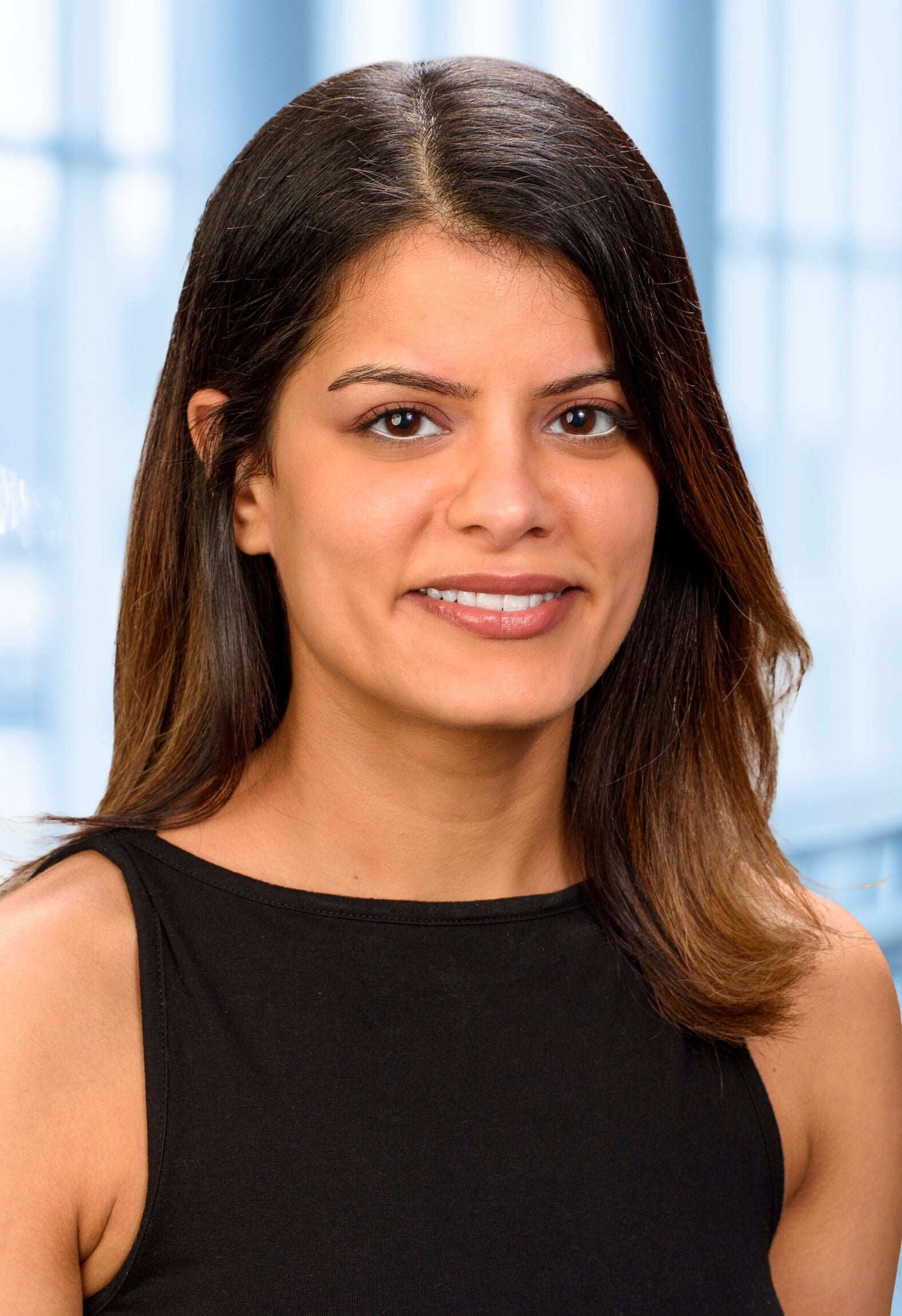
Mahak Virlley, PhD (she/her)
Dr. Mahak Virlley is a postdoctoral scholar in UCLA’s Department of Psychiatry. During her graduate training at the University of Texas Southwestern Medical Center, she used multimodal neuroimaging approaches, including MEG and structural and diffusion MRI, alongside neurocognitive measures to study sensory and cognitive relationships in healthy aging and clinical populations. Her current research interests focus on atypical sensory processing, affective regulation, and neurodivergence, particularly how early-life stress and altered sensory dynamics shape emotional and cognitive outcomes. She is also interested in neuromodulatory approaches for targeting dysfunctional cortical dynamics in neurodevelopmental and neuropsychiatric conditions. In addition to research, Dr. Virlley is passionate about mentoring younger generations of students in STEM. Outside of academia, she enjoys poetry, hiking, listening to music, and spending time with her husband and cats.
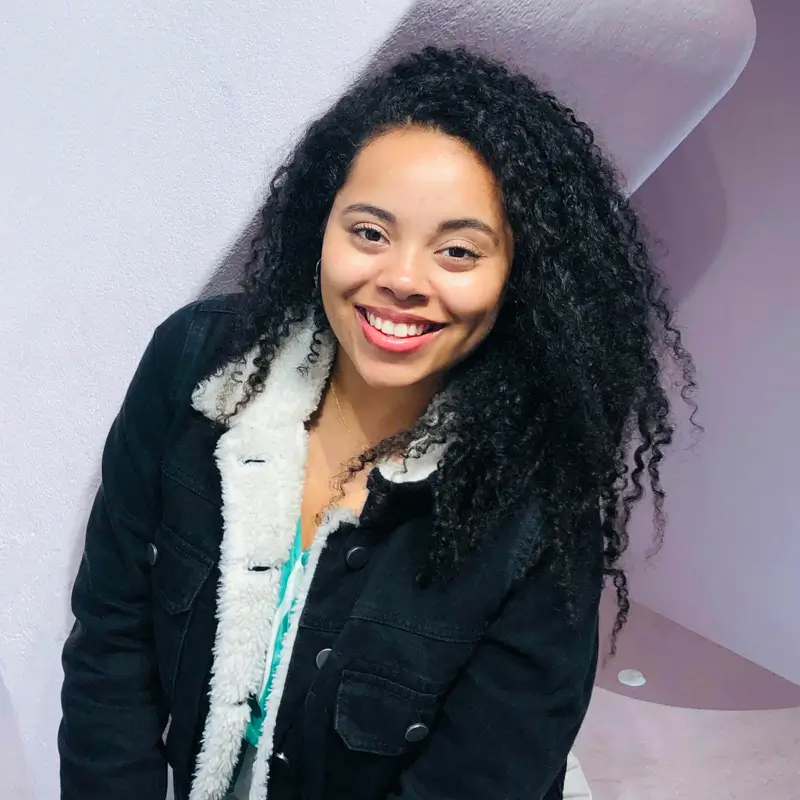
Siobhan Glynn, (she/her)
Siobhan Glynn is a Ph.D. student in UCLA’s Psychology Department, specializing in Developmental Psychology and minoring in Quantitative Psychology. She received her B.A. in Psychology from Bryn Mawr College in 2017 and later worked as a behavioral analysis therapist as well as a research network coordinator in Boston. Siobhan is currently interested in how children and adolescents learn and recognize emotions, especially for those who may have divergent experiences processing emotions or sensory information, like youth with ASD or exposure to early adversity. Through her research, she aims to identify mechanisms that help explain social versus sensory reactivity and attention through a combination of behavioral, physiological, and neuroimaging methods. In her free time, she enjoys singing, thrifting and antiquing, bachata dancing with her friends, and playing with her cats, Salem and Zonie.
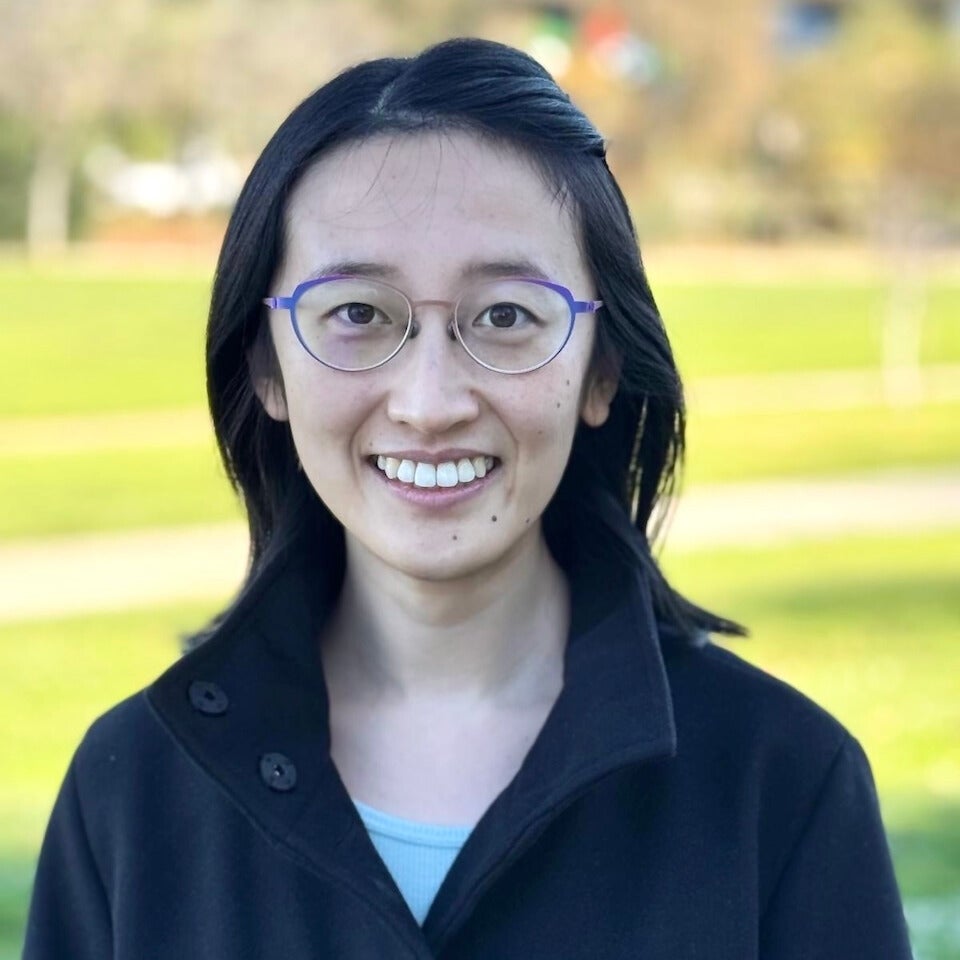
Wendy Qi, (she/her)
Wendy Qi is a Ph.D. student in UCLA’s Psychology Department, specializing in Developmental Psychology. She received her B.A. in Neuroscience and B.S. in Mathematics/Economics from the University of Southern California, and then worked as a research coordinator in pediatric epilepsy at Stanford University. Her research focuses on resilience in youth with ASD, particularly how sensory processing atypicalities contribute to variability in daily functioning. She aims to clarify developmental trajectories of adaptive functioning by examining brain and behavior interactions across development. Outside of the lab, Wendy enjoys listening to music, ballroom dancing, playing tennis, and podcasting.
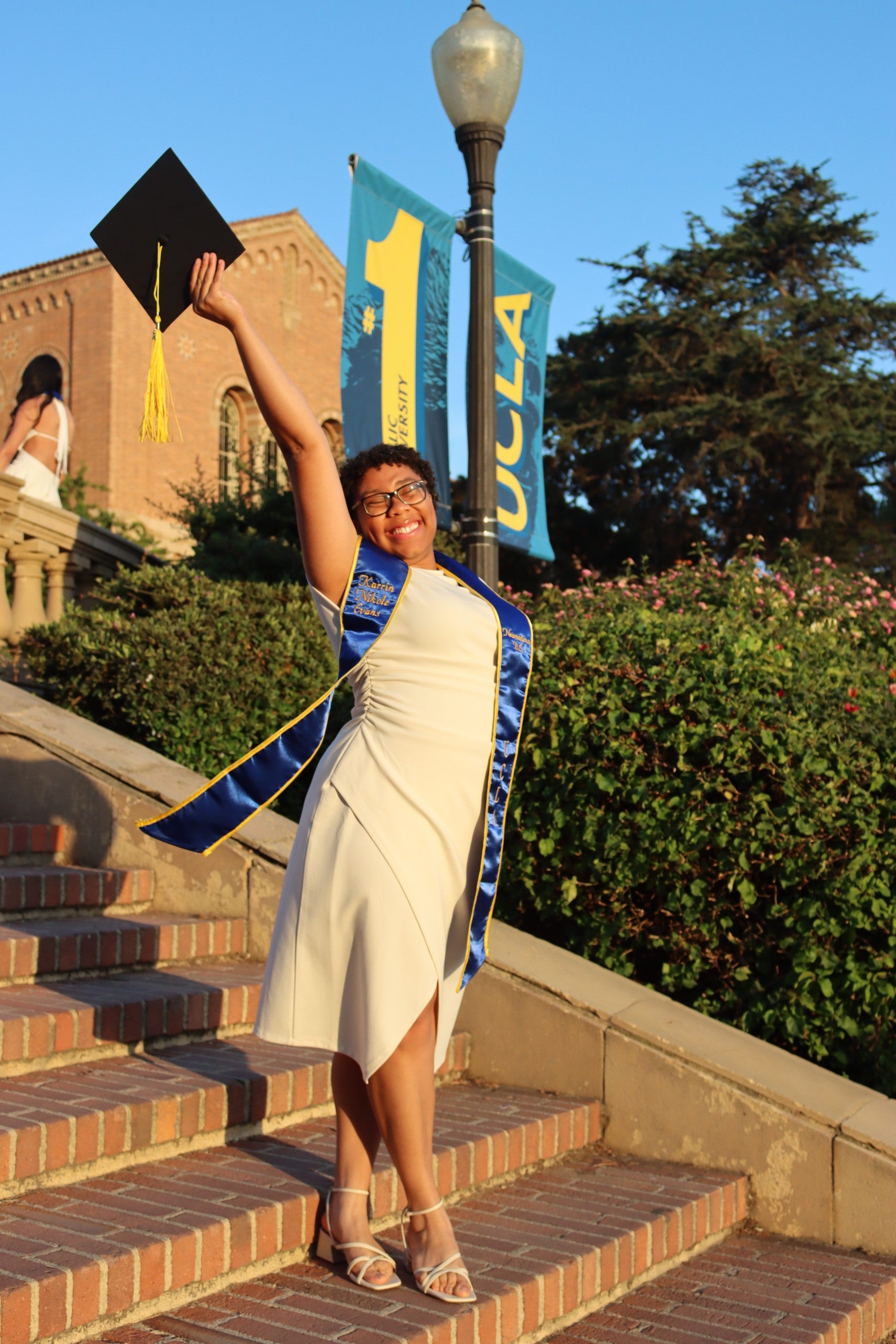
Karrin Evans (she/her)
Karrin Evans is a Clinical Research Coordinator at the SCAN Lab. She graduated from UCLA with a B.S. in Neuroscience and a minor in Education Studies. She is currently coordinating a longitudinal study on sensory processing development in youth with autism. Outside of work, Karrin enjoys cooking, cafe hopping, and hanging out with her cat.
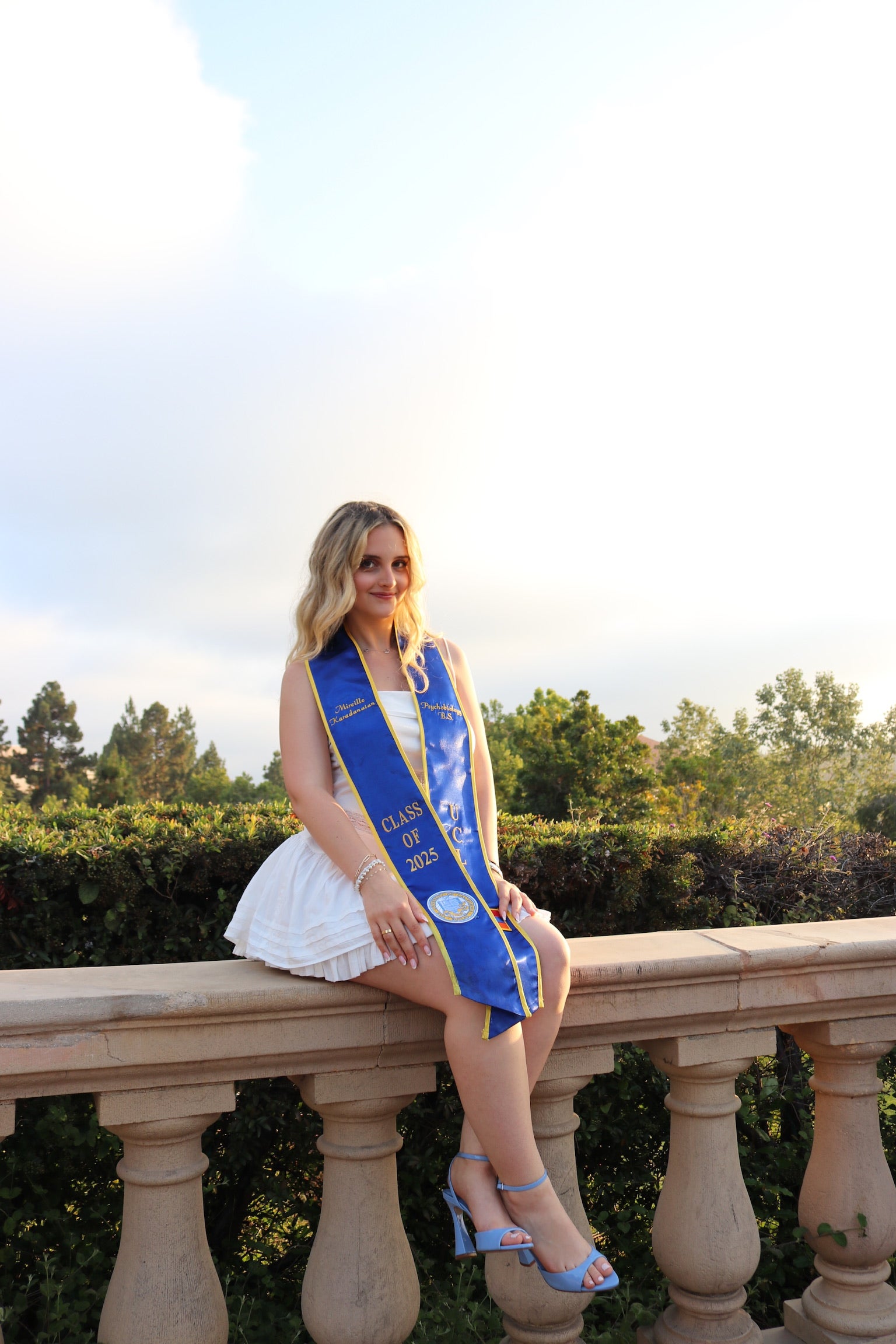
Mireille Karadanaian, (She/Her)
Mireille is a Staff Research Associate at the SCAN Lab. She graduated from UCLA with a B.S. in Psychobiology and is passionate about autism and sensory processing research. Outside of the lab, Mireille enjoys reading, scrapbooking, watching Criminal Minds, and staying connected to her Armenian culture and community.
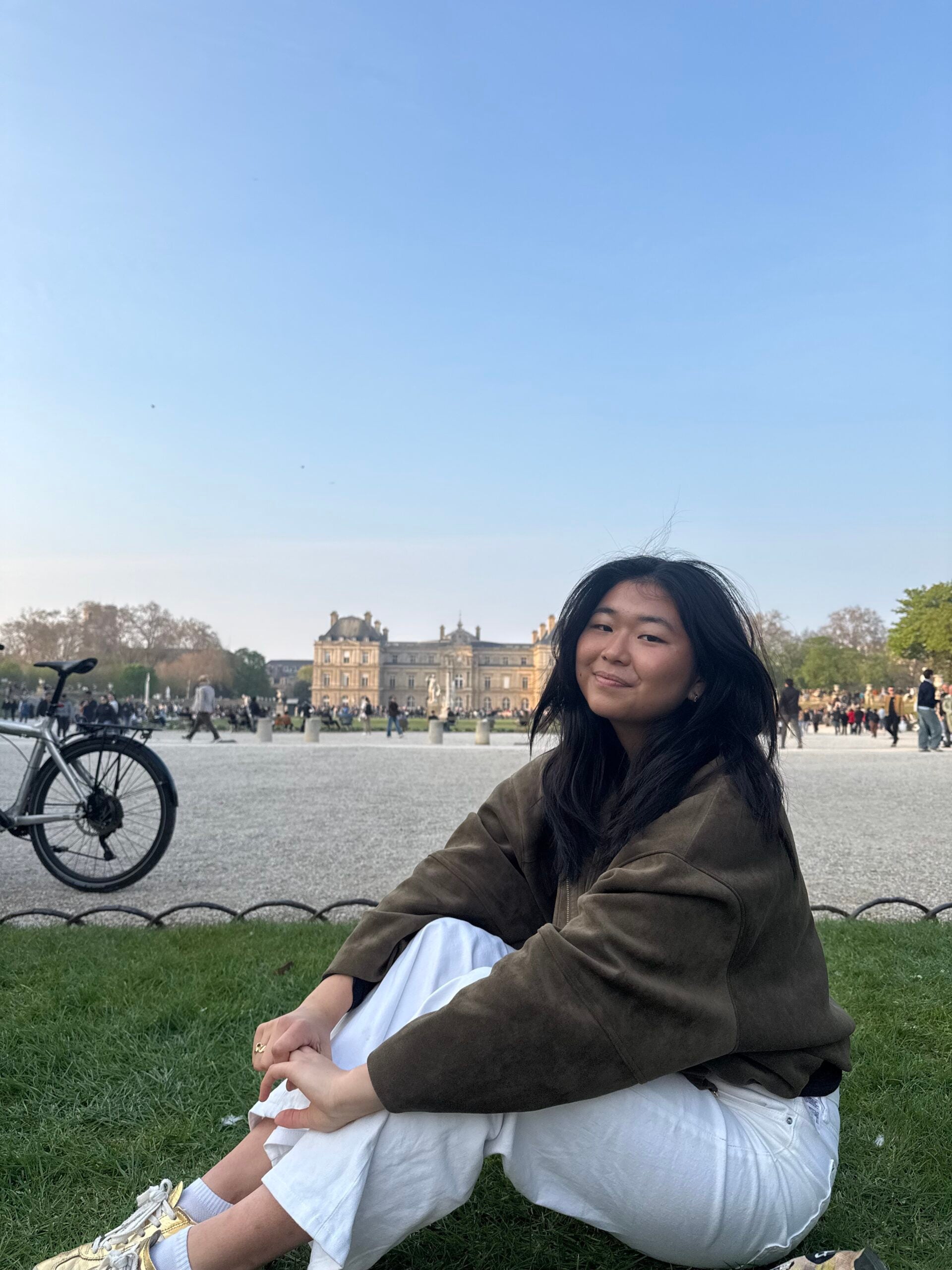
Eryn Hong, (She/Her), Neuroscience, Class of 2027
Eryn is interested in research involving psychological and neurodevelopmental disorders/behaviors, with a particular focus in children and adolescents. She aspires to pursue a career in medicine, where she hopes to combine clinical care with research to make meaningful contributions to the field. Outside of the lab, Eryn enjoys taking long walks, baking, going to yoga, and spending time with family and friends.
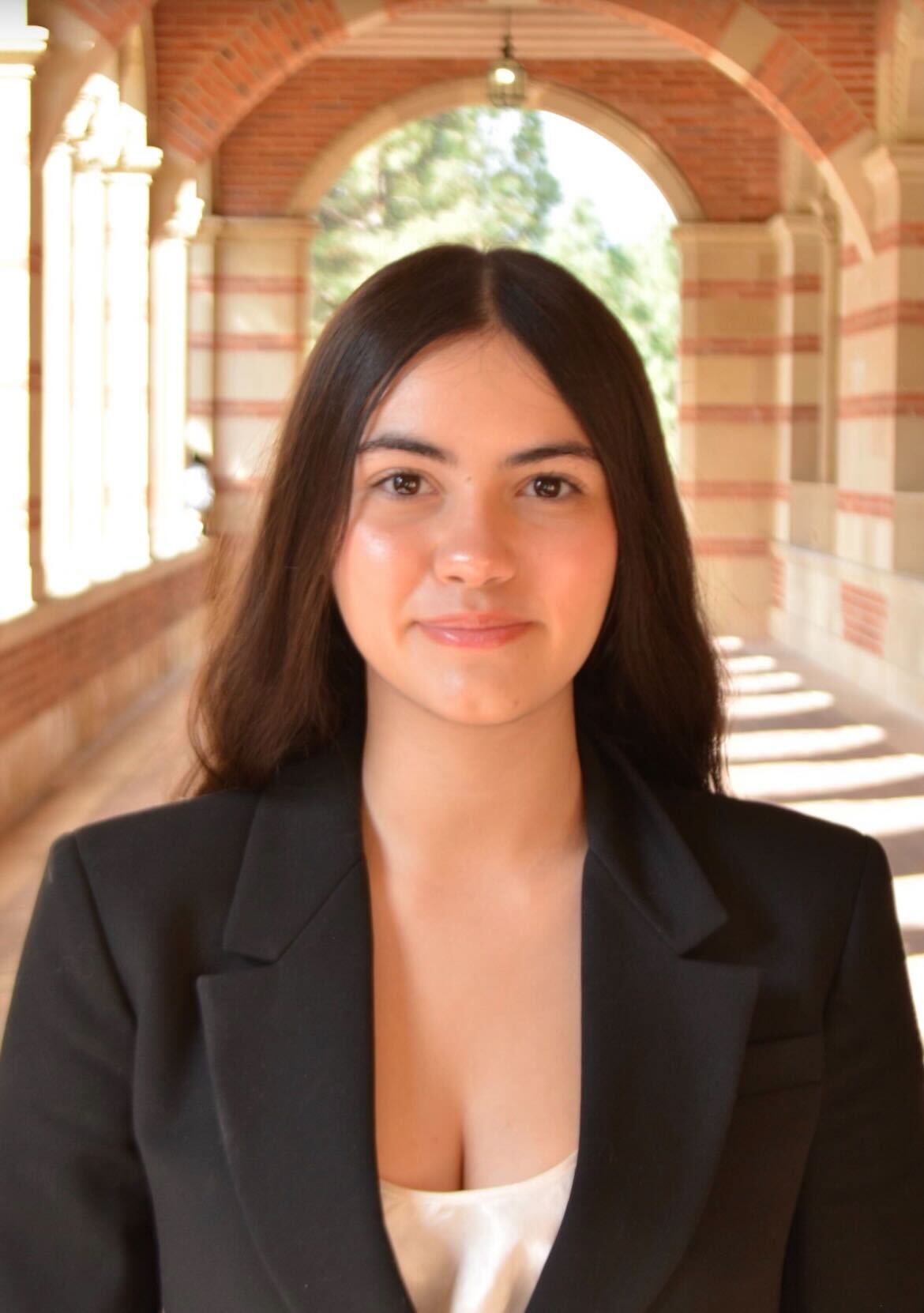
Chiara Ricotta, (She/Her), Psychobiology, Class of 2028
Chiara is interested in research involving behavioral psychiatry and neurobiology that can intervene to improve the quality of life for individuals with neurological challenges. She is enthusiastic about advocating for underrepresented populations within the scientific research community and promoting equity in the healthcare industry. Outside of the lab, Chiara enjoys painting, doing yoga, and going to the beach.
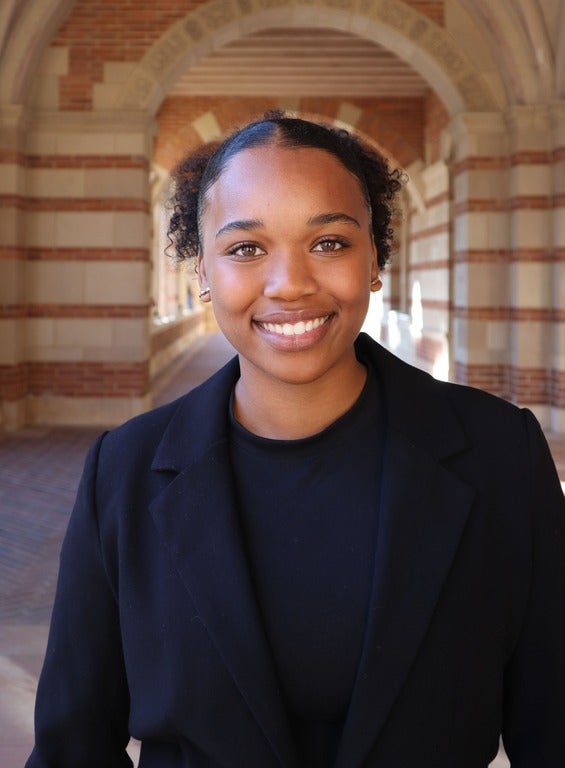
Zariah McCray, (She/Her), Psychology, Class of 2028
Zariah is interested in research on neurodevelopmental conditions such as autism and ADHD, as well as memory processes across both neurological/psychological disorders. She is particularly curious about how stress indicators and maladaptive behavioral patterns interact within these conditions, and how they can inform more effective interventions. Zariah is passionate about advocating for increased access to fundamental psychological services for underrepresented communities and raising awareness about neurodivergent conditions. Outside of the lab, she enjoys exploring new food spots with friends, playing The Sims 4, and spending time with her Chihuahua.

Anna Kuang, (She/Her), Psychobiology, Class of 2026
Anna is interested in research on the sensory processing aspect in autism spectrum disorder. She is also fascinated by the genetic and neurological components underlying schizophrenia, dementia, and Alzheimer’s disease. In her free time, Anna enjoys acting, watching movies, and reading science fiction.

Amy Thân, PhD (She/Her)
Amy Thân is an alumna of the UCLA Neuroscience Interdepartmental PhD Program and a current collaborator with the SCAN Lab. She earned her B.S. in Physiology & Neuroscience (minor in Business, Organizational Behavior) from UC San Diego, and previously conducted clinical research at the California Smokers’ Helpline (now KickItCA) and addiction research at the Scripps Research Institute, where she became interested in how the brain perceives and interacts with the world. Under Dr. Green’s mentorship, Amy’s research has focused on the neural mechanisms of sensory processing, social versus sensory reactivity (Than et al, 2024), and networks that regulate sensory over-responsivity (SOR) in autism. In 2022, she received the Brain and Behavioral Development during Adolescence (BBDA) T32 grant. Amy has partnered with UCLA’s Undergraduate Research Center, Life Sciences department, and Grad2Grad peer-mentorship program. She has also served as a teaching assistant for Project Brainstorm, UCLA’s K–12 neuroscience outreach program. Across these roles, Amy is committed to equity-minded leadership for first-gen, low-income, neurodiverse, and underrepresented scholars. Amy continues to collaborate with the SCAN Lab on research examining how transcranial magnetic stimulation (TMS) perturbs neural markers of sensory reactivity in adults with autism and SOR. Email: ahthan@ucla.edu

Gregory Smith, PhD (He/Him)
Dr. Smith’s background is in Biomedical Engineering and Neuroscience. He received a BS in Biomedical Engineering at the University of Texas in 2008 and a MS in Biotechnology from Northwestern University in 2009. Dr. Smith attended Baylor University and received a PhD in Biomedical Studies in 2016 studying epilepsy and its comorbidities using both induced and genetic rodent models. This provide a major foundation in behavioral acquisition and analysis as well as numerous molecular techniques. His prior research with mentors Dr. Neil Harris and Dr. Rick Staba at UCLA focuses on finding neuroimaging and electrophysiological biomarkers that could be used to predict post traumatic epilepsy following lateral fluid percussion injury (LFPI) in a rodent model. This biomarker work is a part of the data collection for the larger EpiBioS4Rx project. Additional project involvement include development of MR spectrometry techniques to measure in vivo neuro metabolites and exploring the role of metabolites in the recovery of TBI. Dr. Smith is trained in imaging analytical techniques that includes the mainstream MRI packages FSL, ANTs, MRTRIX, in addition to surgical technique for trauma induction for LFPI and electrode implantation for electrophysiology. His current work relates to Functional Ultrasound Imaging (FUSI), electrocardiographic and behavioral data acquisition in mice models of autism that relates to a sensory-over responsivity and altered cognitive function phenotype.